In recent years, the vegan diet has gained significant popularity, not only as a lifestyle choice but also for its potential health benefits. But how healthy is a vegan diet, really? Let’s dive into the nutritional aspects, benefits, and considerations of adopting a vegan lifestyle.
The Nutritional Profile of a Vegan Diet
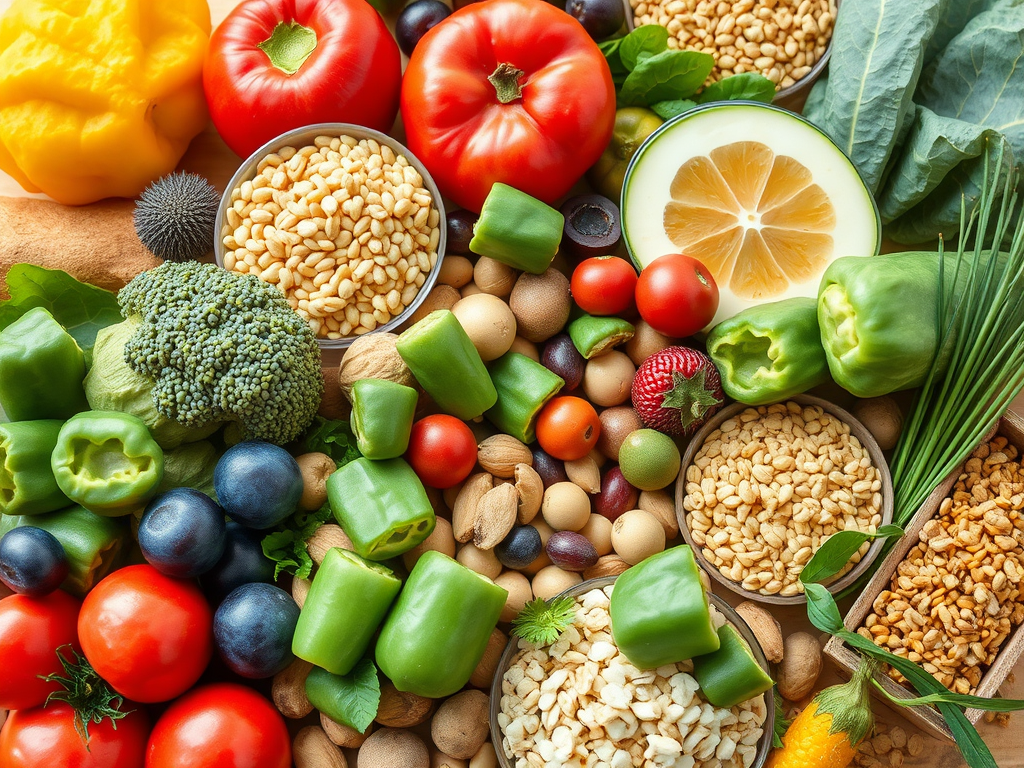
A vegan diet is plant-based, excluding all animal products such as meat, dairy, and eggs. This diet focuses on fruits, vegetables, grains, nuts, seeds, and legumes. Here’s a look at some key nutrients in a vegan diet:
- Fiber: High in fruits, vegetables, and whole grains, fiber aids digestion and can help prevent heart disease.
- Vitamins and Minerals: Rich in vitamins C and E, magnesium, and potassium, which support various bodily functions.
- Antioxidants: Abundant in plant foods, antioxidants help combat inflammation and oxidative stress.
Health Benefits of a Vegan Diet
- Heart Health: A vegan diet is typically lower in saturated fats and cholesterol, which can reduce the risk of heart disease.
- Weight Management: Plant-based diets are often lower in calories, aiding in weight loss and maintenance.
- Reduced Risk of Chronic Diseases: Studies suggest that vegans may have a lower risk of developing type 2 diabetes and certain cancers.
- Improved Digestion: The high fiber content supports a healthy digestive system.
Nutritional Considerations
While a vegan diet can be very healthy, it’s important to ensure you’re getting all essential nutrients. Here are some nutrients to pay attention to:
- Protein: While plants provide protein, it’s important to include a variety of sources like beans, lentils, tofu, and quinoa.
- Vitamin B12: This vitamin is primarily found in animal products, so vegans should consider fortified foods or supplements.
- Iron: Plant-based iron is less easily absorbed, so include vitamin C-rich foods to enhance absorption.
- Omega-3 Fatty Acids: Found in flaxseeds, chia seeds, and walnuts, these are important for brain and heart health.
- Calcium and Vitamin D: Ensure adequate intake through fortified foods or supplements to support bone health.
Is a Vegan Diet Right for You?
Deciding to adopt a vegan diet is a personal choice and can be very healthy if well-planned. It’s crucial to focus on whole foods and maintain a balanced intake of nutrients. Consulting with a healthcare provider or nutritionist can also help tailor the diet to your individual needs.
Conclusion
A vegan diet can offer numerous health benefits, from improved heart health to better weight management. However, like any diet, it requires careful planning to ensure nutritional adequacy. Whether you’re considering a vegan lifestyle for health, ethical, or environmental reasons, it’s important to stay informed and make choices that best support your well-being.
More information on Vegan Diets and Recipes
 HEALTHYOU Blog