
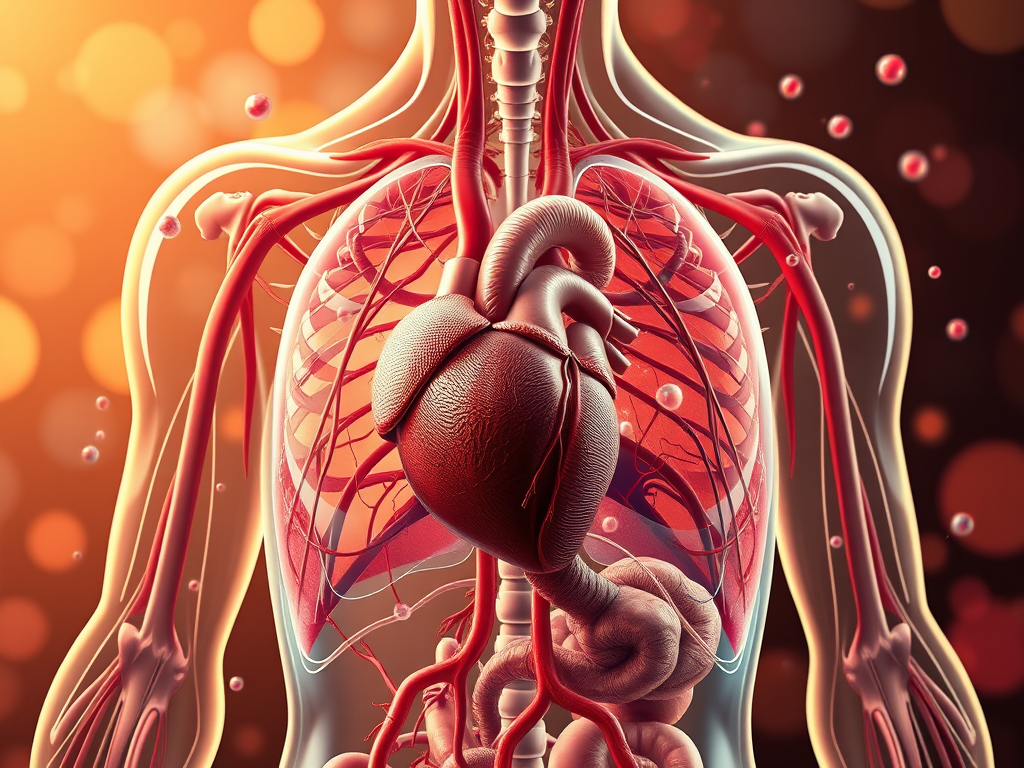
The Marvel of the Human Body: The human body is an intricate network of systems that work together seamlessly to maintain health and support life. Each system has unique functions, but they all rely on each other to operate efficiently. Here’s a look at how some of the major body systems collaborate to keep us functioning:
1. Circulatory and Respiratory Systems:
- The circulatory system, which includes the heart and blood vessels, works with the respiratory system to deliver oxygen to cells and remove carbon dioxide. The lungs oxygenate blood, which the heart then pumps throughout the body.
2. Digestive and Excretory Systems:
- The digestive system breaks down food into nutrients, which are absorbed into the bloodstream. The excretory system, including the kidneys and bladder, removes waste products from the body, maintaining a balance of fluids and electrolytes.
3. Muscular and Skeletal Systems:
- These systems work together to support movement and maintain posture. The skeletal system provides structure, while muscles contract and relax to produce movement.
4. Nervous and Endocrine Systems:
- The nervous system controls body activities by sending signals to various parts of the body. The endocrine system releases hormones that regulate processes such as growth, metabolism, and mood. Together, they coordinate actions and responses to stimuli.
5. Immune and Lymphatic Systems:
- The immune system defends against pathogens, while the lymphatic system transports lymph, a fluid containing infection-fighting white blood cells, throughout the body. This collaboration helps protect the body from illness and infection.
6. Integumentary and Immune Systems:
- The integumentary system, which includes the skin, acts as a barrier to protect internal organs from external threats. It works with the immune system to prevent pathogens from entering the body.
7. Reproductive and Endocrine Systems:
- The reproductive system is responsible for producing offspring, and it relies on hormones from the endocrine system to regulate reproductive processes and sexual development.
Conclusion: The human body is a remarkable example of systems working in harmony to sustain life. Understanding how these systems interact helps us appreciate the complexity and efficiency of our bodies. While a video might offer a dynamic visual representation, this overview provides insight into the collaborative nature of body systems and their vital roles in maintaining health.
 HEALTHYOU Blog