
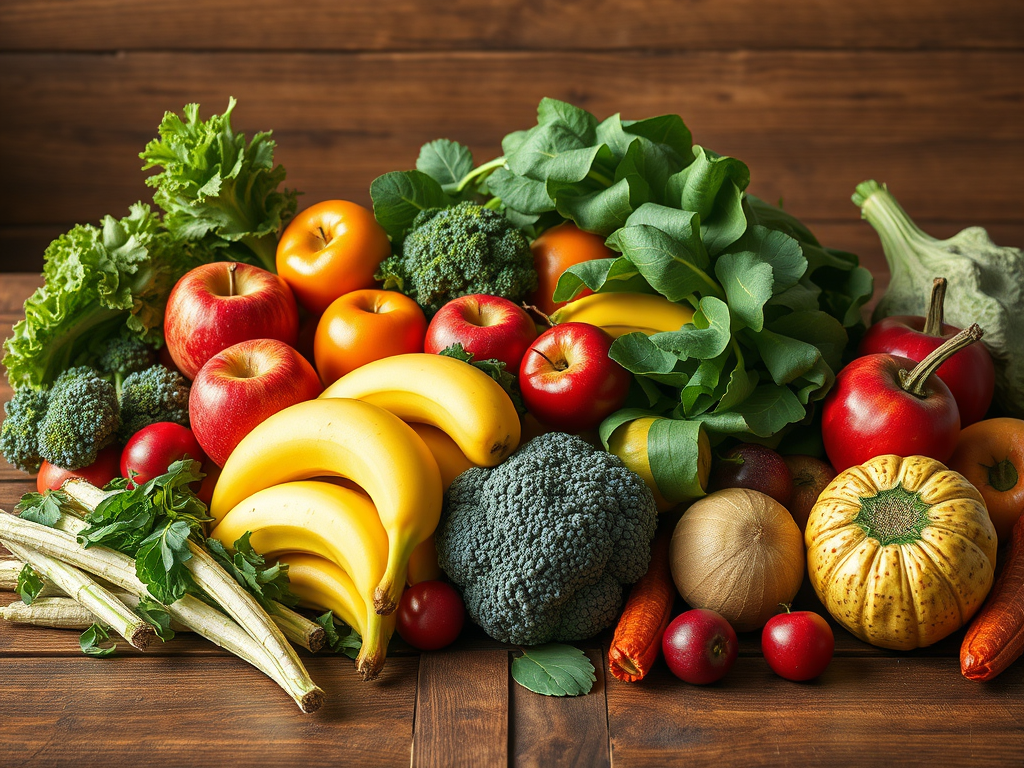
The Importance of Proper Nutrition: Proper nutrition is essential for maintaining overall health and well-being. A balanced diet provides the body with the necessary nutrients to function optimally, support growth, and prevent disease. Understanding the basic food groups and their benefits can help guide healthier eating habits.
Basic Food Groups and Their Benefits:
- Fruits:
- Benefits: Fruits are rich in vitamins, minerals, antioxidants, and dietary fiber. They support immune function, improve digestion, and reduce the risk of chronic diseases.
- Examples: Apples, bananas, berries, oranges, and grapes.
- Vegetables:
- Benefits: Vegetables are low in calories and high in essential nutrients like vitamins A, C, and K, as well as fiber and antioxidants. They promote heart health, support vision, and enhance skin health.
- Examples: Leafy greens, carrots, broccoli, peppers, and tomatoes.
- Grains:
- Benefits: Grains provide carbohydrates, which are the body’s primary energy source. Whole grains, in particular, contain fiber, B vitamins, and minerals that support digestion and heart health.
- Examples: Whole wheat bread, brown rice, oats, and quinoa.
- Protein:
- Benefits: Protein is crucial for building and repairing tissues, producing enzymes and hormones, and supporting immune function. It provides essential amino acids needed for growth and maintenance.
- Examples: Lean meats, poultry, fish, eggs, beans, and nuts.
- Dairy:
- Benefits: Dairy products are excellent sources of calcium, vitamin D, and protein, which are essential for strong bones and teeth. They also support muscle function and nerve signaling.
- Examples: Milk, yogurt, cheese, and fortified plant-based alternatives.
- Fats and Oils:
- Benefits: Healthy fats provide energy, support cell growth, and aid in the absorption of fat-soluble vitamins (A, D, E, and K). They are important for brain health and hormone production.
- Examples: Olive oil, avocados, nuts, and seeds.
Why a Balanced Meal is Best: Eating a well-balanced meal ensures that your body receives a variety of nutrients needed for optimal health. A balanced diet helps maintain energy levels, supports bodily functions, and reduces the risk of nutrient deficiencies and chronic diseases. By including a diverse range of foods from each food group, you can enjoy a more satisfying and nutritious diet that promotes long-term health and vitality.
Conclusion: Proper nutrition is the foundation of a healthy body and mind. By understanding the benefits of each food group and incorporating a variety of foods into your meals, you can achieve a balanced diet that supports overall wellness and enhances your quality of life.
Next Steps: Start by planning your meals for the week, ensuring you include a variety of foods from each group. To help you track your nutrition, download the Nutrition and Physical Activity Recording Sheet here (i couldn’t link the form, message me and I will email a form to you). This tool will start you in the planning of maintaining a balanced diet and monitoring your nutritional intake.
Why a Balanced Meal is Best: Eating a well-balanced meal ensures that your body receives a variety of nutrients needed for optimal health. A balanced diet helps maintain energy levels, supports bodily functions, and reduces the risk of nutrient deficiencies and chronic diseases. By including a diverse range of foods from each food group, you can enjoy a more satisfying and nutritious diet that promotes long-term health and vitality.
Conclusion: Proper nutrition is the foundation of a healthy body and mind. By understanding the benefits of each food group and incorporating a variety of foods into your meals, you can achieve a balanced diet that supports overall wellness and enhances your quality of life.
 HEALTHYOU Blog